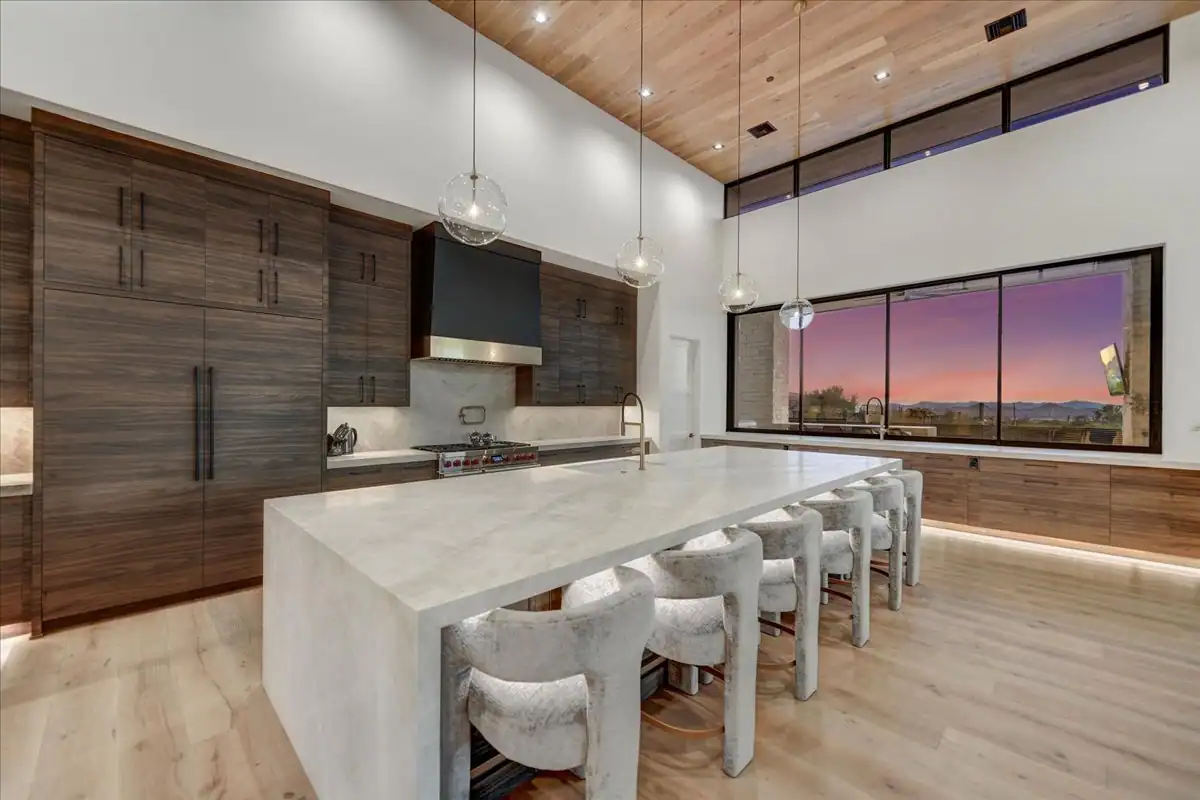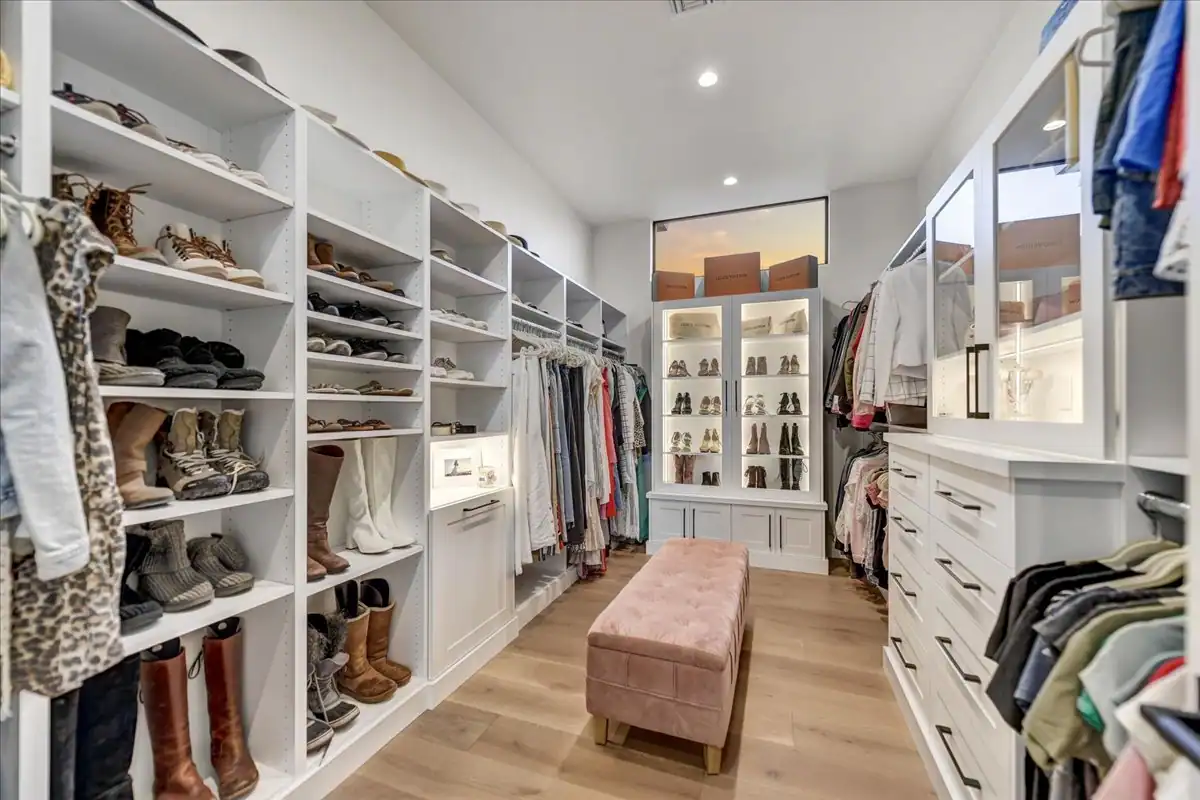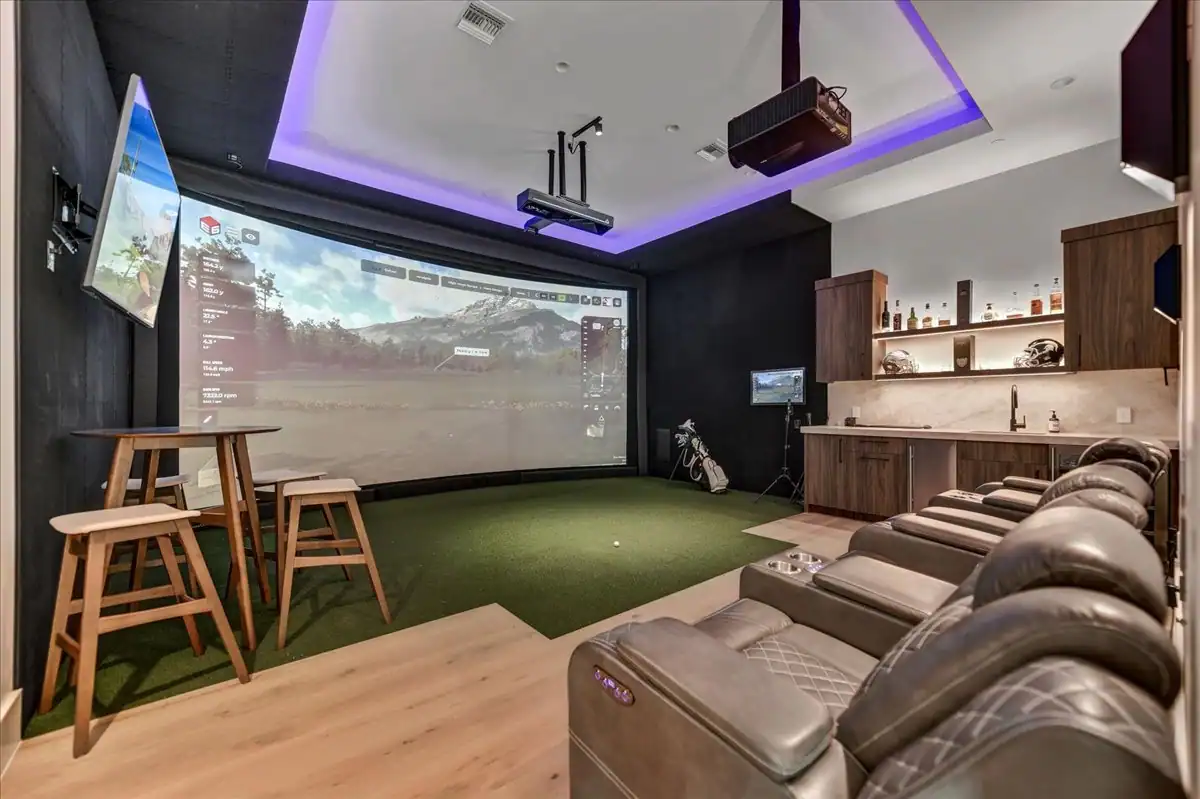
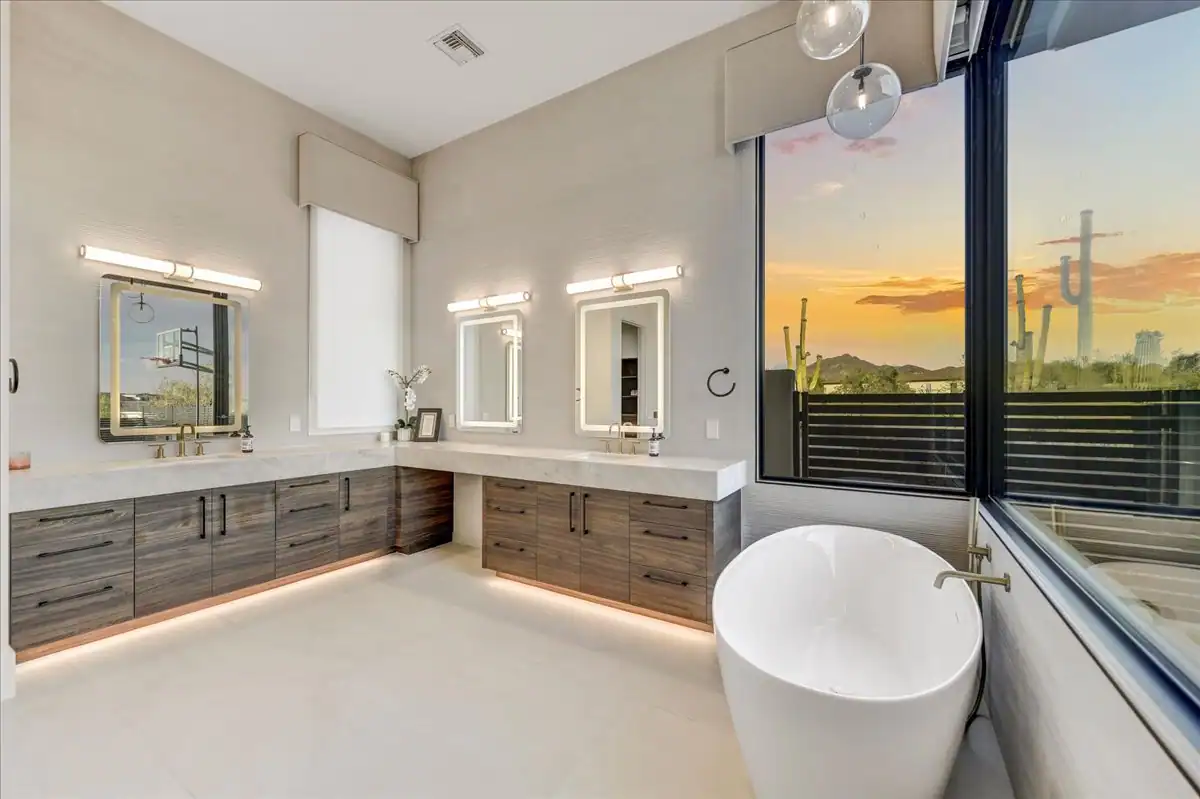
Talk to anyone who has built a custom home and they will tell you the same thing. The schedule did not slip during foundation, framing, or drywall. It slipped through selections. Cabinetry, stone, tile, plumbing, lighting, hardware, appliances, and doors are where dozens of decisions wait on each other and where long-lead items get ordered too late. Here is how the projects that finish on time manage it.
Selections Start in Design, Not After
The single biggest mistake is treating selections as a phase that begins when construction starts. By that point, half the decisions are already overdue. Cabinet style decides crown heights. Tile decides curb heights. Plumbing decides rough-in dimensions. Lighting decides ceiling depths.
The projects that go smoothly have a defined selections schedule that runs in parallel with construction documents. Our pre-construction service is built around exactly this schedule.
Long-Lead Items Get Ordered First
Ordering long-lead items late is the most common cause of a finished home sitting incomplete waiting on one box. We identify them during design development, lock specifications early, and place orders months before the rest of selections are finalized.
- Custom steel windows and doors: 20 to 26 weeks
- Imported natural stone slabs: 10 to 16 weeks
- Custom range hoods and specialty appliances: 12 to 20 weeks
- European plumbing fixtures: 12 to 20 weeks
- Select decorative lighting: 10 to 16 weeks
Specify the Finish Package Before Framing
A selection is only settled when there is a specific product, finish, and model behind it. Categories left open as placeholders tend to get decided twice: once loosely at the start, and again under schedule pressure when the trade needs an answer.
We push to specify as much of the finish package as possible before framing, leaving open only the categories the family wants more time with. The plan then reflects the house being built rather than one still being decided.
Sequencing the Decisions
There is a logical order to selections, and getting it right keeps the homeowner from circling.
- Architectural first: roof, exterior cladding, windows, glazing, exterior color
- Primary interior architecture: cabinetry style, millwork details, flooring, primary stone
- Fixtures: plumbing, lighting, hardware
- Appliances
- Secondary finishes, accent materials, paint, stain, and finish hardware
Each phase informs the next. Following the sequence keeps the work moving without doubling back.
How a Builder Helps Without Taking Over
Selections are the homeowner's decisions. The builder's job is to make those decisions as easy and as well-informed as possible. That means giving the homeowner real cost impact for each option, real lead time for each option, and a clear deadline for when the decision needs to be locked.
On the projects we build, we run weekly selections meetings with the homeowner and the interior designer. Each meeting has a running list of open decisions, the dependencies they carry, and the deadline for each.
Bringing the Interior Designer in at the Right Time
If the homeowner is working with an interior designer, the designer should be involved during design development, not after construction starts. The designer's input on millwork details, lighting placement, plumbing locations, and finish coordination is far more valuable on drawings than in the field.
We coordinate with whatever interior designer the homeowner brings and structure the selections process around that relationship.
Outdoor Selections Belong in the Same Schedule
Pool tile, coping, decking, outdoor kitchen materials, landscape plants, and hardscape stone all carry the same lead-time risk as interior selections. Handled through our pool and landscaping service on the same contract, they get ordered alongside interior finishes rather than after move-in.
What This Means for Your Project
If you are starting to think about selections and the categories already feel overwhelming, that is normal. The fix is process, not effort. Reach out through our contact page and we will walk you through how we structure the selections schedule on a typical Scottsdale or Paradise Valley build.
Frequently Asked Questions
- When should finish selections start on a custom home?
- During design development, not after construction starts. The categories that carry the longest lead times, especially custom steel windows and imported stone, need to be specified and ordered months before framing.
- How many hours a week should I plan to spend on selections?
- Expect 2 to 5 hours a week during the active selections phase, more when a major category is up for decision. On our projects, a weekly meeting keeps the load steady rather than spikey.
- What are the most common causes of selection delays?
- Late interior designer engagement, decisions made without lead-time context, and categories left unspecified until a trade needs an answer are the three biggest causes we see.
- Can I change a selection after it is ordered?
- Sometimes, and it will cost restocking fees, freight, and often lead time. The projects that stay on schedule are the ones where change orders after material has been ordered are the exception, not the pattern.
Start the conversation