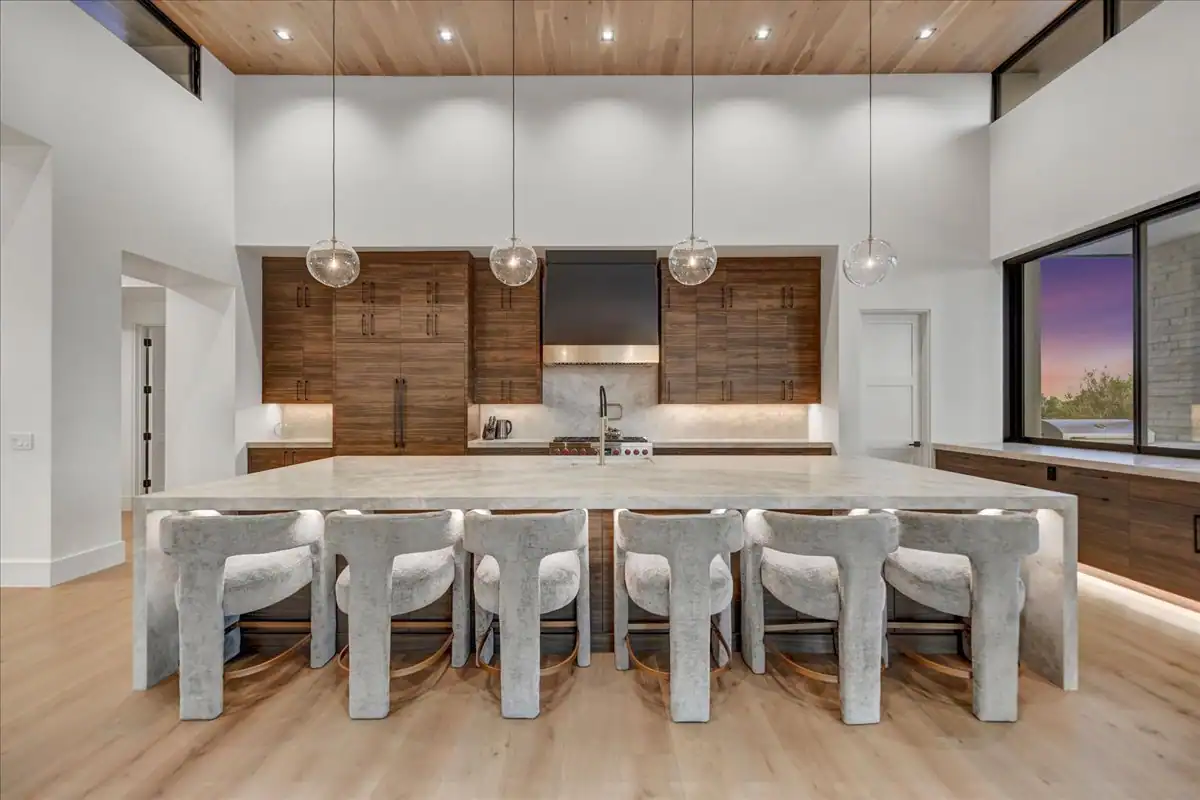
Almost every conversation about a Scottsdale custom home starts with the same question. How much per square foot? It is the wrong question, but it makes sense as a starting point. The honest answer is that cost is driven by decisions, by the lot, and by finish level, not by raw size, and two identical-sized homes can sit at very different prices.
Cost per Square Foot is Only a Starting Point
Per-square-foot numbers are useful as a sanity check, not a quote. The same 6,000 square foot home can land at very different price points depending on roof complexity, ceiling heights, glazing, structural systems, and the cost of getting trades to the lot.
More useful is a working budget built from your actual floor plan, your actual lot, and current subcontractor pricing. That is what tells you whether the home you are sketching pencils.
The Lot Plays a Bigger Role than Most Expect
Site prep can be a quiet, expensive surprise. Scottsdale hillside lots in particular can carry significant site cost.
- Grading, retaining walls, and drainage work
- Engineered fill and soils remediation
- Utility extensions from the road to the building pad
- Access work and staging on tight or steep parcels
If you have a lot in mind, getting a builder out for a quick walk is one of the most valuable hours you can spend before you commit. We do this regularly for clients considering Scottsdale, Paradise Valley, and Cave Creek properties as part of our pre-construction service.
Design Decisions Drive Cost More than Size
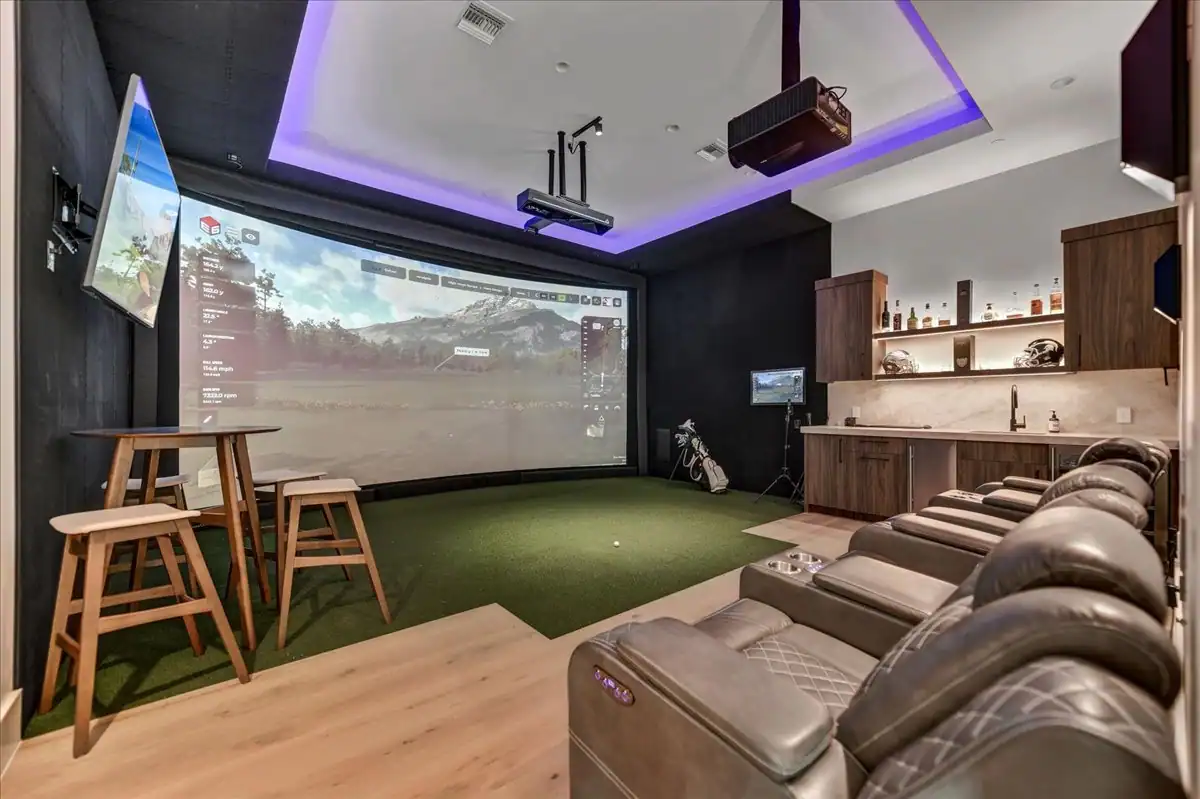
Large clear spans, dramatic glazing, floating stairs, structural steel, cantilevered overhangs, and custom millwork all carry cost that does not show up in square footage. So do things you might not think of, like the number of plumbing fixtures, the run lengths in the HVAC system, and how many trades coordinate on a single wall.
When the design conversation includes a builder, those cost drivers can be weighed deliberately. You still get the moves you care about most, and the ones not pulling their weight get edited out before they become a problem.
Finish Level is Where Costs Vary the Most
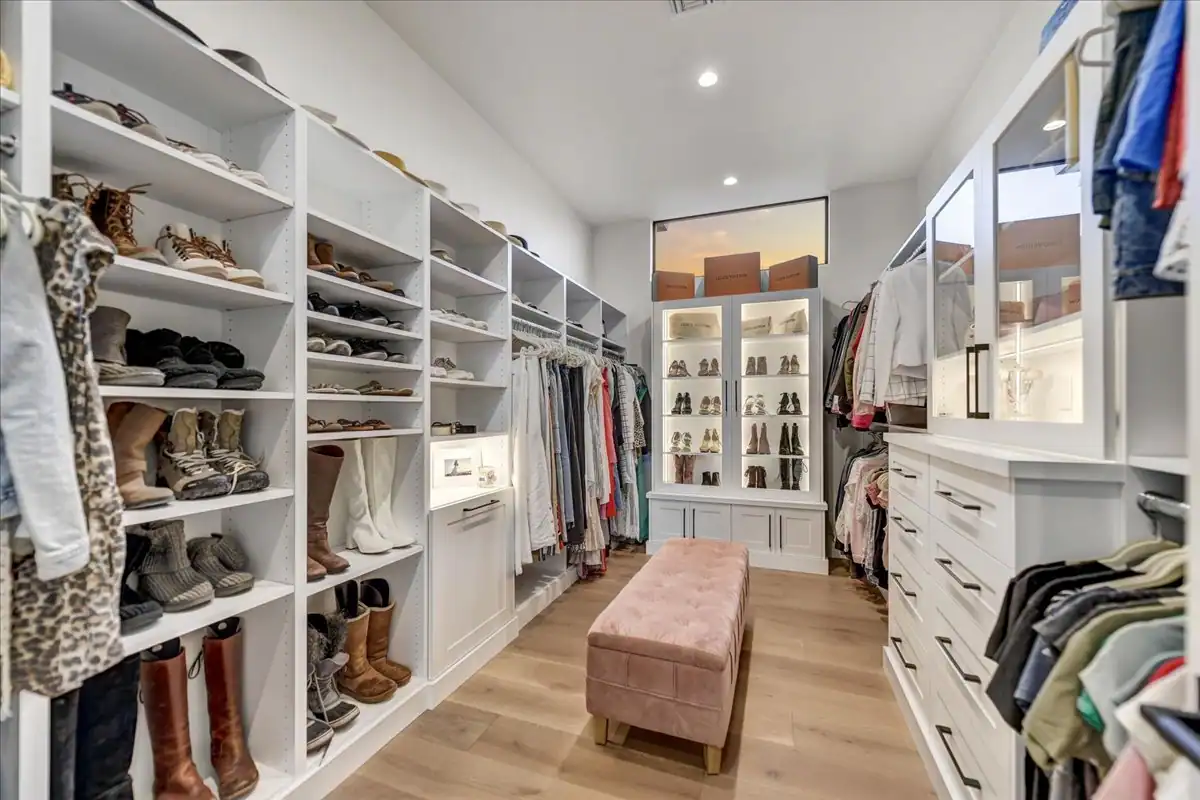
Cabinetry, stone, tile, plumbing, lighting, appliances, doors, hardware, and millwork are where two homes of the same size and layout part ways on cost. The range between thoughtful builder-grade and true high-end specification on this scope can be hundreds of dollars per square foot.
There is no single right level. The right level is the one that matches the home, the neighborhood, and the way the family will live in it. We help our clients calibrate that early so the finish package is consistent rather than a patchwork.
Outdoor Scope is a Real Line Item
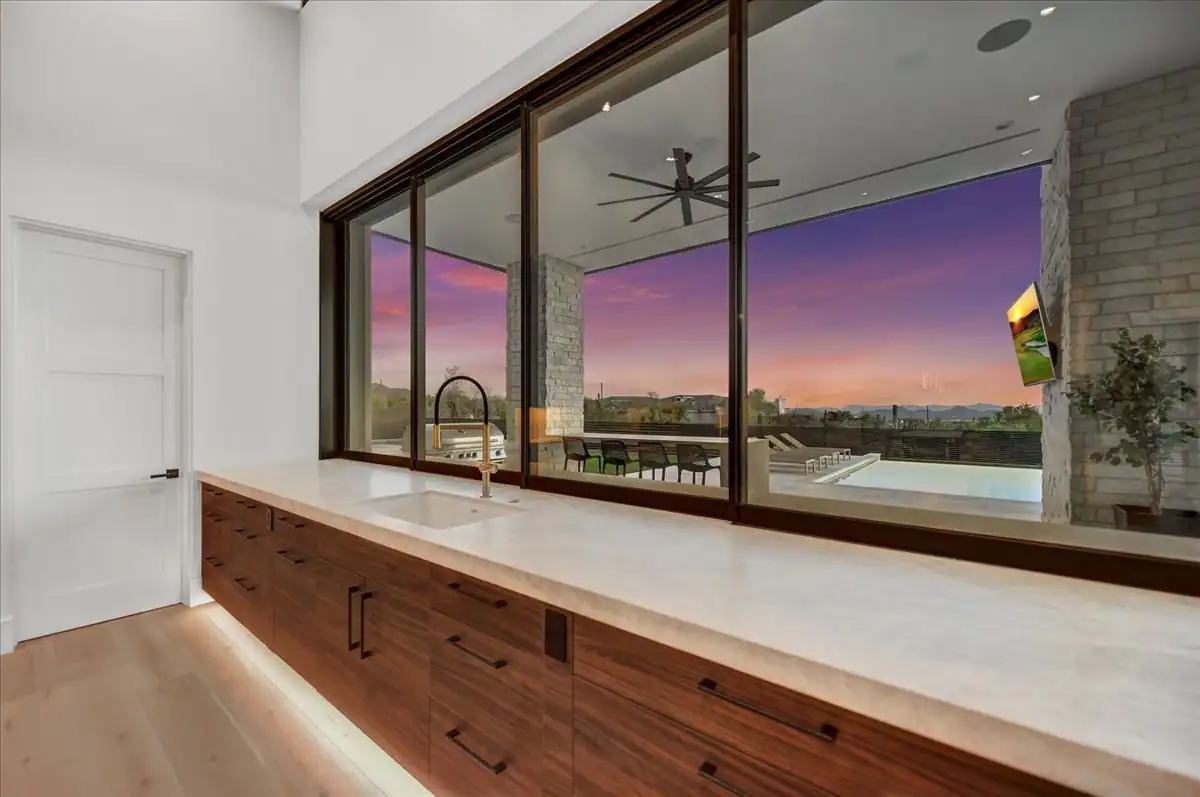
The pool, spa, ramada, outdoor kitchen, hardscape, and landscape on a luxury Arizona home routinely represent 15 to 25 percent of the total project cost. Leaving it out of the working budget until after the home is designed is how homeowners end up surprised at what a finished property costs.
Our pool and landscaping service is designed to price this scope alongside the home so the number is not a surprise.
Where the Budget Goes
A useful frame for a luxury Scottsdale build:
- Structure and shell: foundation, framing, roof, cladding, glazing
- Mechanical: HVAC, plumbing, electrical, low-voltage
- Finish-out: cabinetry, stone, tile, millwork, flooring, lighting, hardware, appliances
- Site and outdoor scope: pool, hardscape, ramada, landscape
- Soft costs: design, engineering, permits, inspections, insurance
Big surprises usually show up in site work or finish-out because those categories can grow during design.
Contingency is Not Optional
Any working budget on a custom home should carry a contingency of 5 to 10 percent. That number is not padding. It is what covers the honest surprises: a soils report that comes back different from expectation, a code change during permit, a long-lead material that shifts.
Contingency that goes unused becomes a credit at the end. That is the right posture: plan for surprises, return what you did not need.
What to Do Next
If you are at the stage where you want a real number for your specific project, reach out through our contact page with what you know about the lot, the program, and the timeline. We will help you turn that into a budget you can plan around. Finished projects at similar scale live in our portfolio.
Frequently Asked Questions
- What is a realistic per-square-foot cost for a luxury Scottsdale custom home?
- Ranges shift with the market, but true high-end custom work in Scottsdale and Paradise Valley typically starts well above what a per-foot number suggests, before you add site work and outdoor scope. Use per-foot as a sanity check, not a quote.
- How much contingency should I plan for?
- 5 to 10 percent of the total working budget is a reasonable planning number. Unused contingency comes back as a credit at the end of the project.
- What is the most common line item homeowners underestimate?
- Site work on hillside or unprepared lots, and the outdoor scope. Both can grow into six-figure line items if they are not scoped during pre-construction.
- Can I get a firm price before construction starts?
- You can get a working budget that tightens through pre-construction and lands on a contract price before you break ground. A firm price on day one, before any real design or lot analysis, is a red flag.
Start the conversation